The Georgian Golden Age — overview
A synthetic essay on the 11th–13th centuries: from Didgori to Tamar's reign, covering politics, economy, art and literature. It ties together the documents, artifacts and images of this era in the archive.
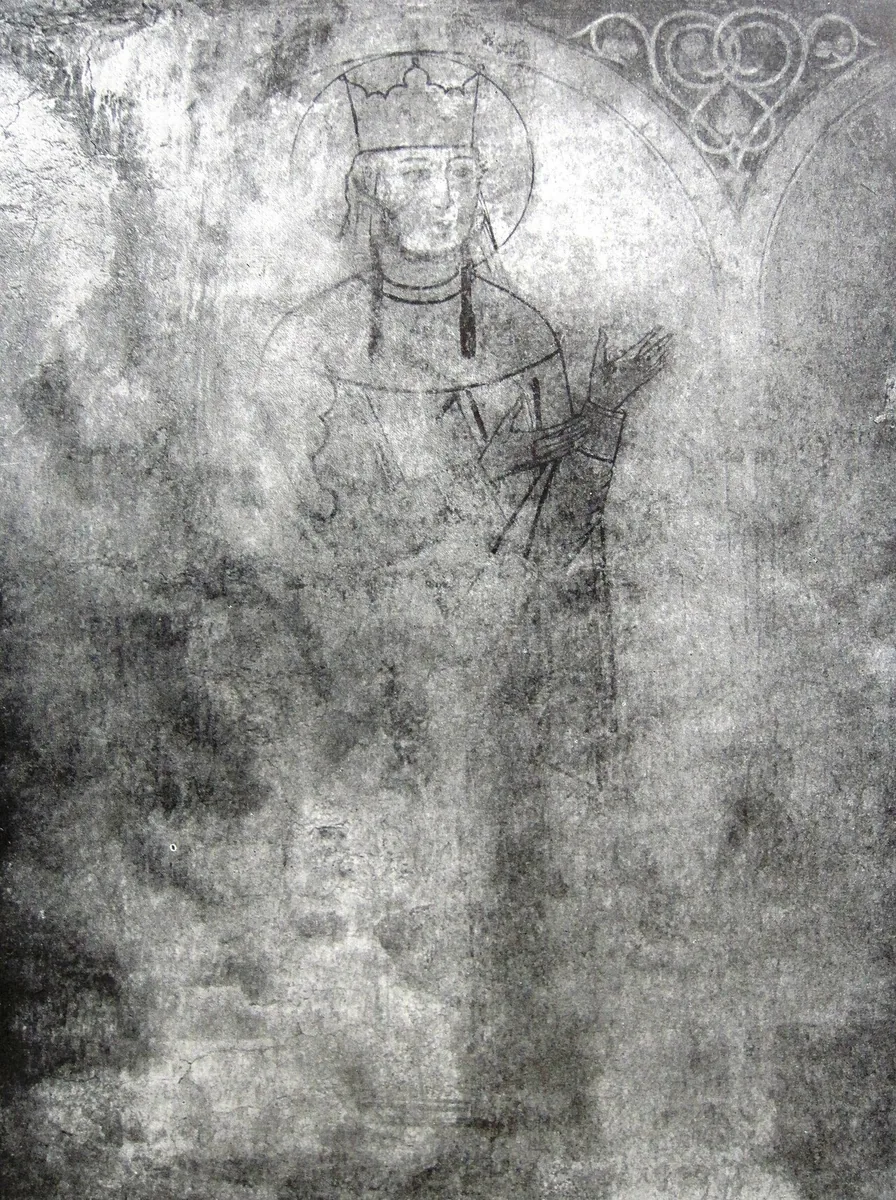
The Golden Age refers to the 11th–13th centuries — the peak of medieval Georgian statehood, from the accession of David IV the Builder to the end of Queen Tamar's reign. Within about 150 years, fragmented lands became a strong, centralised kingdom whose influence reached across much of the Caucasus.
The turn began under David IV (1089–1125). The young king curbed the rebellious nobility, reformed the church at the Council of Ruis-Urbnisi, and rebuilt the army. On 12 August 1121 he defeated a Seljuk coalition at the Battle of Didgori, and in 1122 he took Tbilisi — for centuries held by an Arab emir — and made it his capital. In 1106 he founded Gelati Monastery and its academy, a centre of learning.
His successors Demetrius I and George III held and extended the realm. By the late 12th century Georgia was a consolidated state with a strong army, lively trade and tributaries along its borders.
The kingdom reached its height under Tamar (reigned 1184–1213). Her era is remembered as one of peace and flourishing: victories at Shamkor and Basiani secured the frontiers, trade revived, churches were built, and at her court Shota Rustaveli composed «The Knight in the Panther's Skin», the summit of medieval Georgian literature. Tamar bore the title “king of kings.”
The Golden Age was cut short by the Mongols: their invasions from the 1220s and the sack of Tbilisi by Jalal ad-Din in 1226 ended the apogee. Yet this era remained the cultural and political benchmark Georgia looked back to for centuries.