One species or several? The classification debate
The five Dmanisi individuals vary widely in brain size (546–730 cm³) and facial form. In 2013 Lordkipanidze and colleagues read this as variation within a single evolving Homo erectus lineage — implying separately named species like Homo habilis and Homo rudolfensis might be one lineage. Others (the proposed distinct species Homo georgicus for mandible D2600) see genuine taxonomic diversity. The debate continues — a clear example of how the same finds can be read differently.
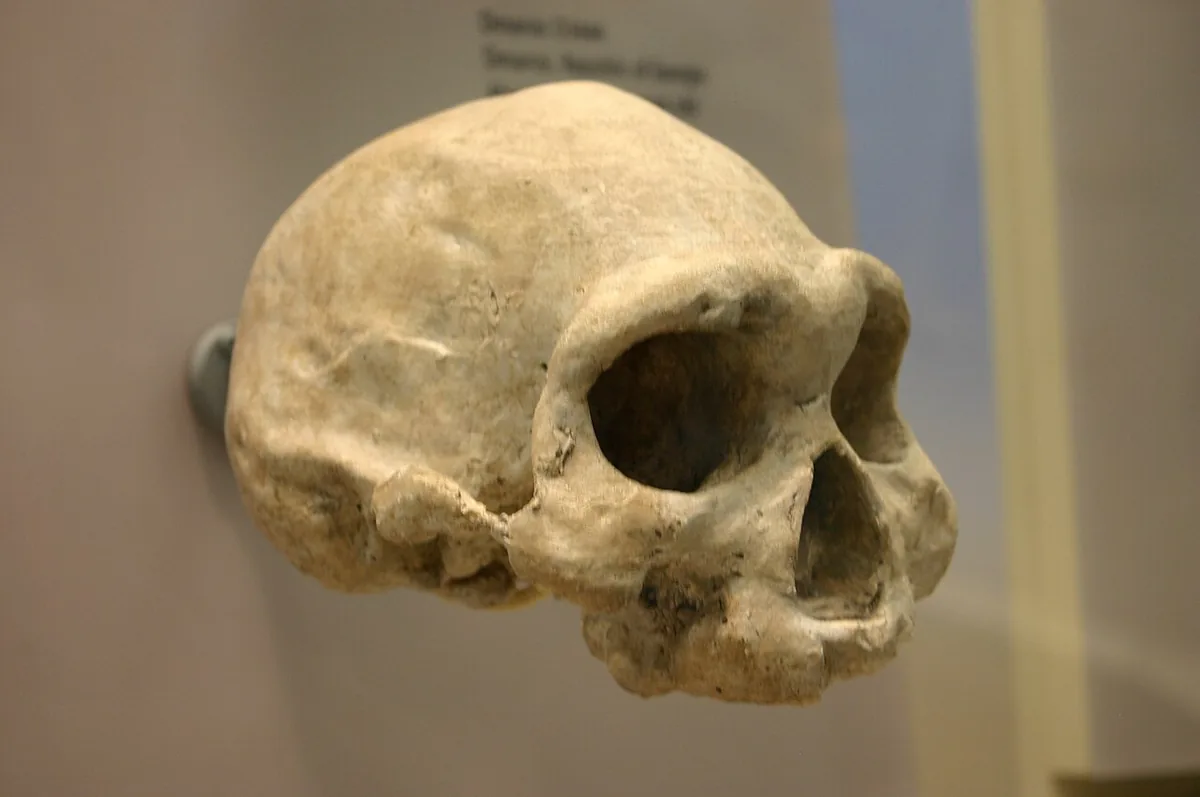
The five skulls from Dmanisi differ greatly from one another — in brain size (546–730 cm³) and in the size and form of the face — although they come from a single place and layer.
In 2013 David Lordkipanidze and colleagues (in Science) proposed treating this diversity as ordinary within-species variation of a single Homo erectus lineage. If so, early species such as Homo habilis and H. rudolfensis may be variants of one species.
Other palaeoanthropologists disagree and see genuine taxonomic diversity (a separate species, Homo georgicus, was even proposed for mandible D2600). The debate goes on — a vivid example of how the same bones can be read differently.