Dmanisi — earliest hominins of Eurasia
Dmanisi is the earliest reliably dated site of human presence in Eurasia: its fossils and stone tools are 1.85–1.77 million years old. Remains of five individuals were found here — the earliest evidence of the genus Homo leaving Africa. Excavations are led by the Georgian National Museum under David Lordkipanidze.
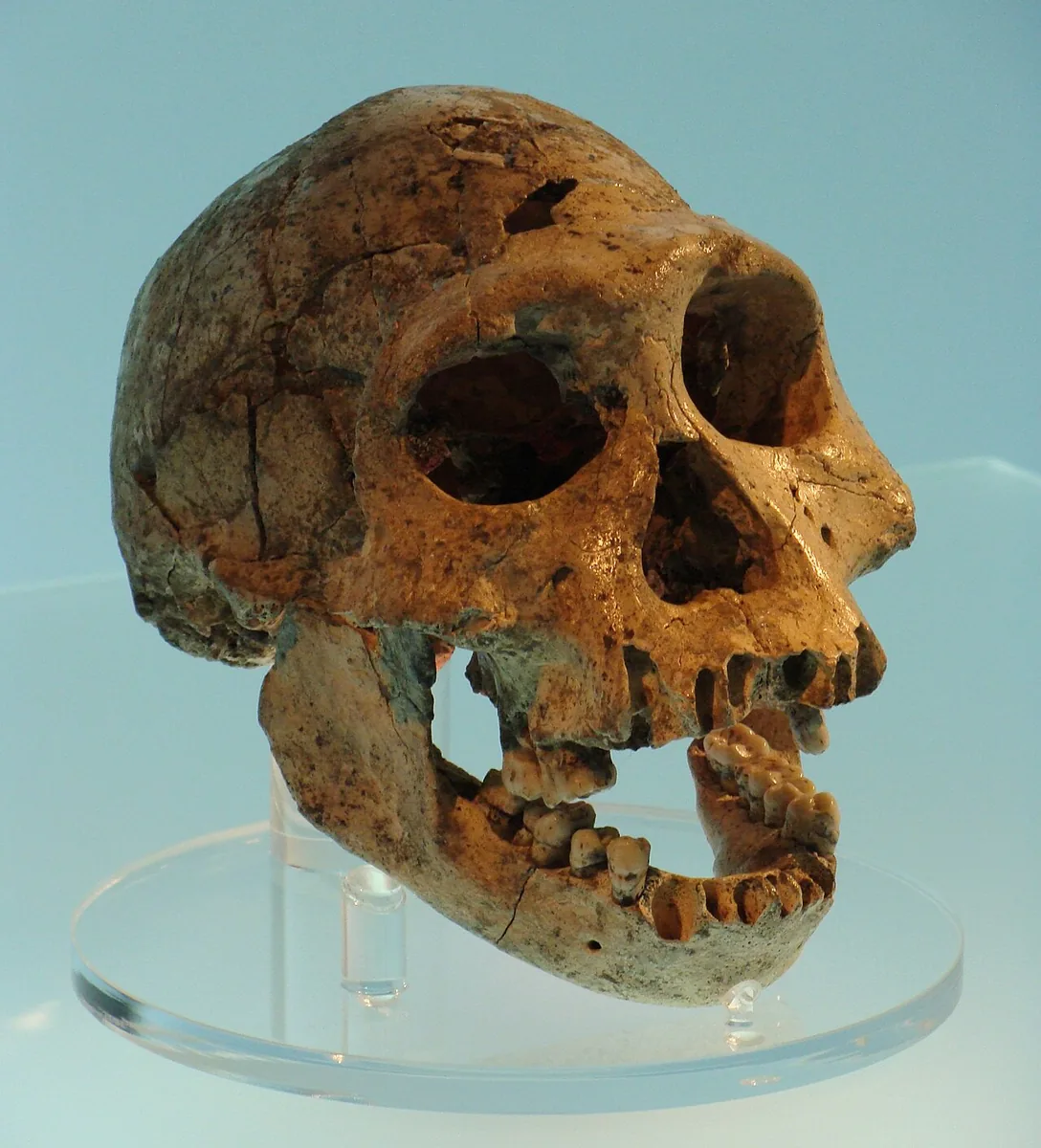
Dmanisi, in Kvemo Kartli in southern Georgia, is the earliest reliably dated site of human presence outside Africa: its fossils and stone tools are between 1.85 and 1.77 million years old.
Remains of five individuals were found at a single site — a rare windfall for palaeoanthropology. Their skulls (D2280, D2282, D2700, D3444 and D4500) differ markedly in brain size and facial form, which made Dmanisi the centre of a debate over how many early species of the genus Homo actually existed.
The most famous find is Skull 5 (D4500), the most complete early-Pleistocene human skull. Among the others is the «old man» (Skull 4), who lost almost all his teeth long before death yet survived for years — often read as early evidence of care within the group.
Excavations are led by the Georgian National Museum under David Lordkipanidze. The Palaeolithic layers lie beneath the ruins of a medieval town and fortress, and the site is on Georgia's UNESCO tentative list.